

LAND & RANCH
Farm, ranch, timber and hunting land in Tennessee
Land is bought on what the ground can do and what the paper allows. Here is what matters on a Tennessee tract before you write an offer, from Greenbelt and the well log to recorded access and the timber on the ridge.
Greenbelt and rollback taxes
Tennessee's Greenbelt program taxes qualifying land on its use value. Agricultural and forest land generally needs at least 15 acres, and open space land at least 3 [1]. Two tracts in the same county can qualify together as a farm unit when one is at least 15 acres and the other at least 10 [1]. Greenbelt does not pass to a new owner automatically. The new owner applies to the county assessor by March 15, or the land is disqualified. A late application within 30 days of the disqualification notice costs $50 [2][3]. When land leaves Greenbelt, rollback recaptures 3 years of tax savings (5 for open space) [4]. In a sale, the seller owes it unless the contract says otherwise. If a buyer promises in writing to keep Greenbelt and then misses the 90-day filing, the rollback falls on the buyer [4]. Since tax year 2025, one owner may enroll up to 3,000 acres per taxing jurisdiction [5].

Water and septic
Private well records in Tennessee are public and searchable on TDEC's Water Well Map Viewer. The state does not require a well test at sale, but TDEC strongly recommends a bacteria test every year [6]. A septic permit is required to build, change or repair a system. Records for existing systems are searchable through TDEC's septic record search [7][8]. Williamson County runs its own septic program. In Maury, Rutherford, Wilson, Sumner, Jackson and Lawrence counties, TDEC issues the permits [9]. On vacant land without sewer, the soil evaluation is often the main limit on homesites.

Surveys, access and easements
Tennessee land is described by metes and bounds, not the township-and-range grid used out west [10], so a current boundary survey by a Tennessee licensed surveyor matters. Recorded access is what counts. A farm lane across a neighbor's place is not recorded access. If a tract has no road access, Tennessee law lets the owner ask a court for an access and utility easement up to 25 feet wide (15 feet in metro-government counties). That's a fallback, not a plan [11]. Call 811 at least 3 working days before any digging with powered equipment [12].
Hunting and recreational land
Tennessee-resident owners of farmland, and their spouses and children, may hunt and fish their own land in season without a license, with a signed exemption statement to show when asked [13]. The exemption requires Tennessee residency and doesn't cover land co-owned by unrelated people [14]. Under Tennessee's recreational use statute, a landowner owes no duty to keep land safe for, or to warn, people using it for hunting, fishing, hiking or camping. The exceptions include gross negligence and willful conduct [15][16]. Paid hunting leases are a question for your attorney and insurance agent.

Photo: Alexander Wark Feeney on Unsplash (opens in a new tab)
Timber
The Tennessee Division of Forestry recommends a consulting forester for any timber sale [17]. It does not write Greenbelt forest plans [18]. UT Extension notes that a sealed-bid sale gives the landowner the most control over price and terms [19]. The state's logging best practices call for streamside buffers that start at 25 feet on flat ground and widen with slope [20]. If timber is part of the price, have a consulting forester cruise it before you buy.
Farm programs and easements
When a farm changes hands, its USDA farm records are reconstituted through the county USDA Service Center [21]. FSA's down payment program lets a qualifying beginning farmer buy land with as little as 5 percent down, with FSA lending 45 percent (up to $300,150, per FSA's October 2025 figures) over 20 years [22]. A conservation easement doesn't stop a sale: the land can still be sold or inherited, and the easement binds every future owner [23]. Owning Greenbelt land is one way to qualify for Tennessee's agricultural sales tax exemption [24].
Before you buy
0 of 14 checked
Your checkmarks stay on this device.
Before you list
0 of 7 checked
Your checkmarks stay on this device.
Equestrian properties.
Horse farms across Middle Tennessee, read for pasture, fence, water, septic and footing.
See equestrian propertiesLand & Ranch listings from the team
Map key
- Active
- Under contract
- Sold
Loading the map.
The map needs JavaScript. Every place is listed below.
- Morgan County Highway8757 Morgan County Hwy, Sunbright, TN 37872
- 905 Chapel Hill PikeEagleville, TN 37060
- 0 Longwood Court Lot 51Mc Ewen, TN 37101
- 0 Longwood Court Lot 50Mc Ewen, TN 37101
- Grassy Knob Road0 Grassy Knob Rd, Robbins, TN 37852
- 0 Cottonwood TrSunbright, TN 37872
- 3202 Old Lego School RoadLinden, TN 37096
- Pickett Park Farmstead2658 Pickett Park Hwy, Jamestown, TN 38556
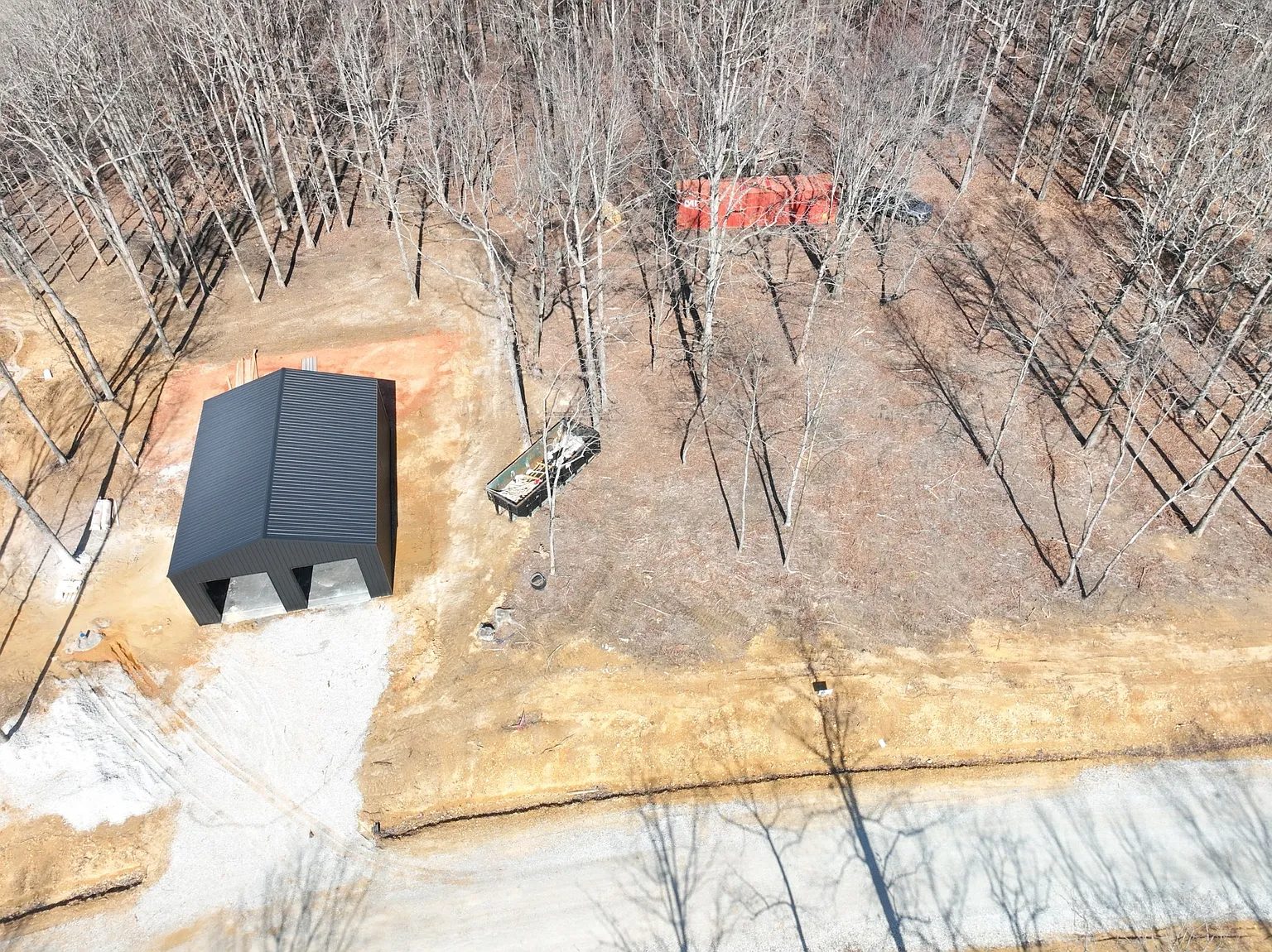 ACTIVE$78,0000 Longwood Court Lot 51Mc Ewen, TN 371015.030± acListing agent: Jason Galaz, eXp RealtyLISTED BY JASON GALAZView property →LISTED SEP 2026FOR SALE
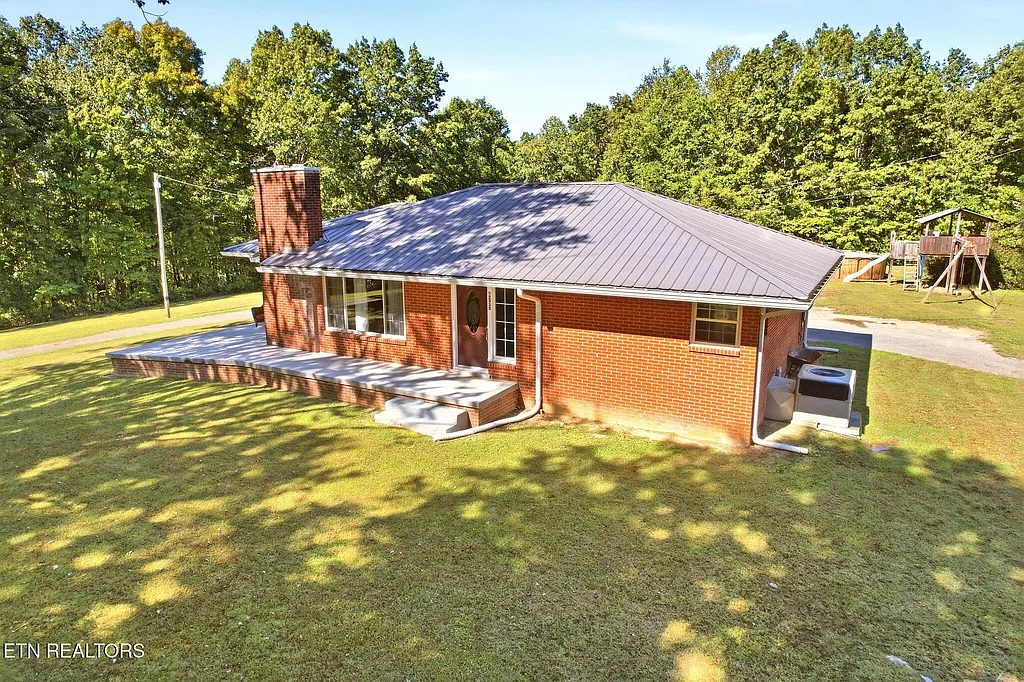 ACTIVE$400,000Morgan County Highway8757 Morgan County Hwy, Sunbright, TN 3787210.6± ac · 3 bd · 1 ba · 1,464 sq ftListing agent: Deanna Rodriguez, eXp RealtyLISTED BY DEANNA RODRIGUEZView property →LISTED SEP 2026FOR SALE
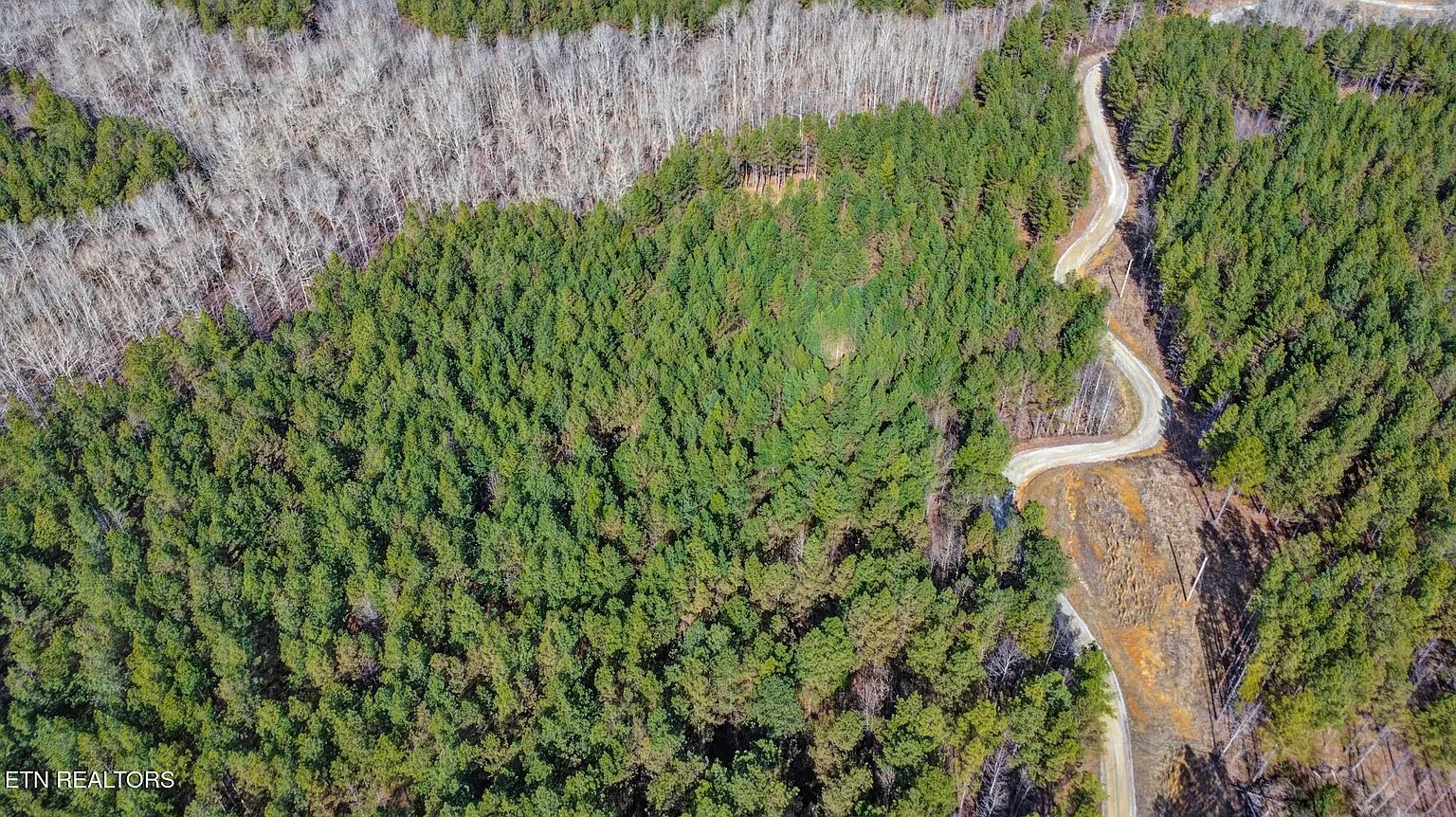 ACTIVE$175,0000 Cottonwood TrSunbright, TN 3787214.76± acListing agent: Deanna Rodriguez, eXp RealtyLISTED BY DEANNA RODRIGUEZView property →LISTED AUG 2026FOR SALE
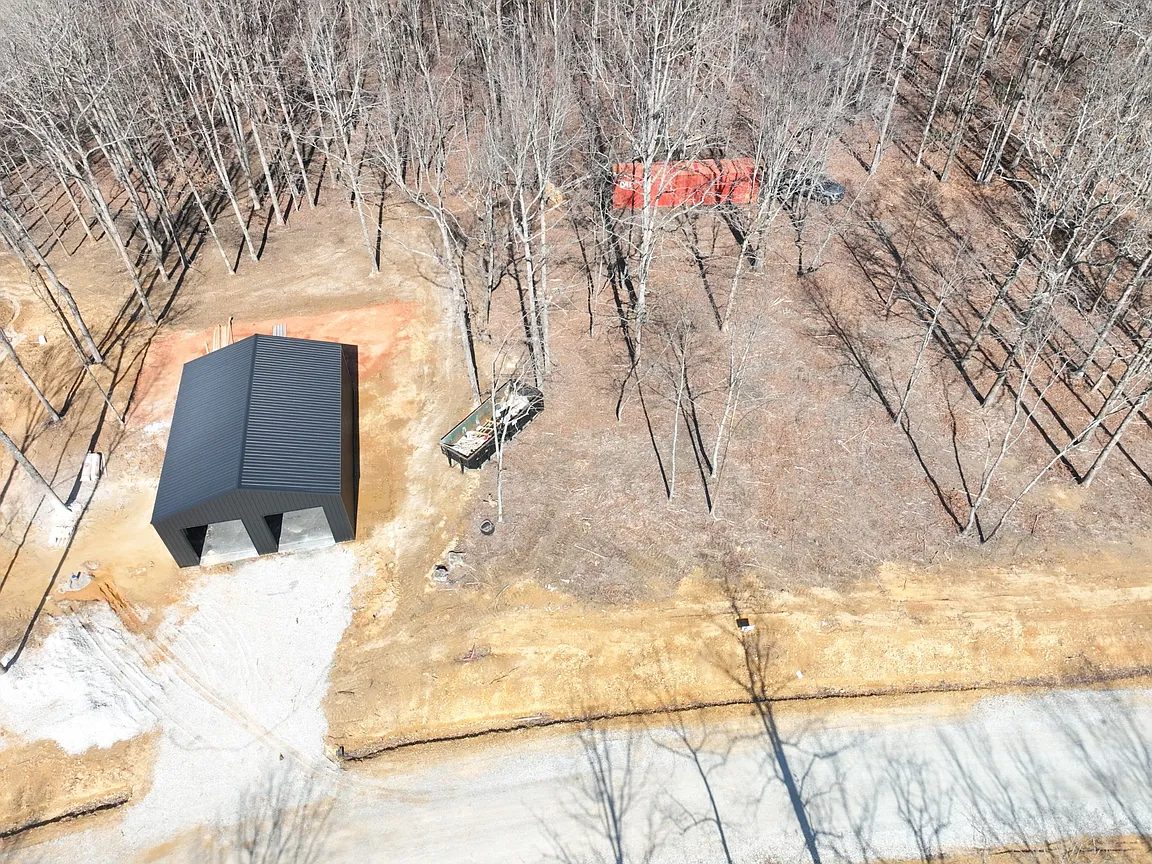 ACTIVE$78,0000 Longwood Court Lot 50Mc Ewen, TN 371015.030± acListing agent: Jason Galaz, eXp RealtyLISTED BY JASON GALAZView property →LISTED AUG 2026FOR SALE
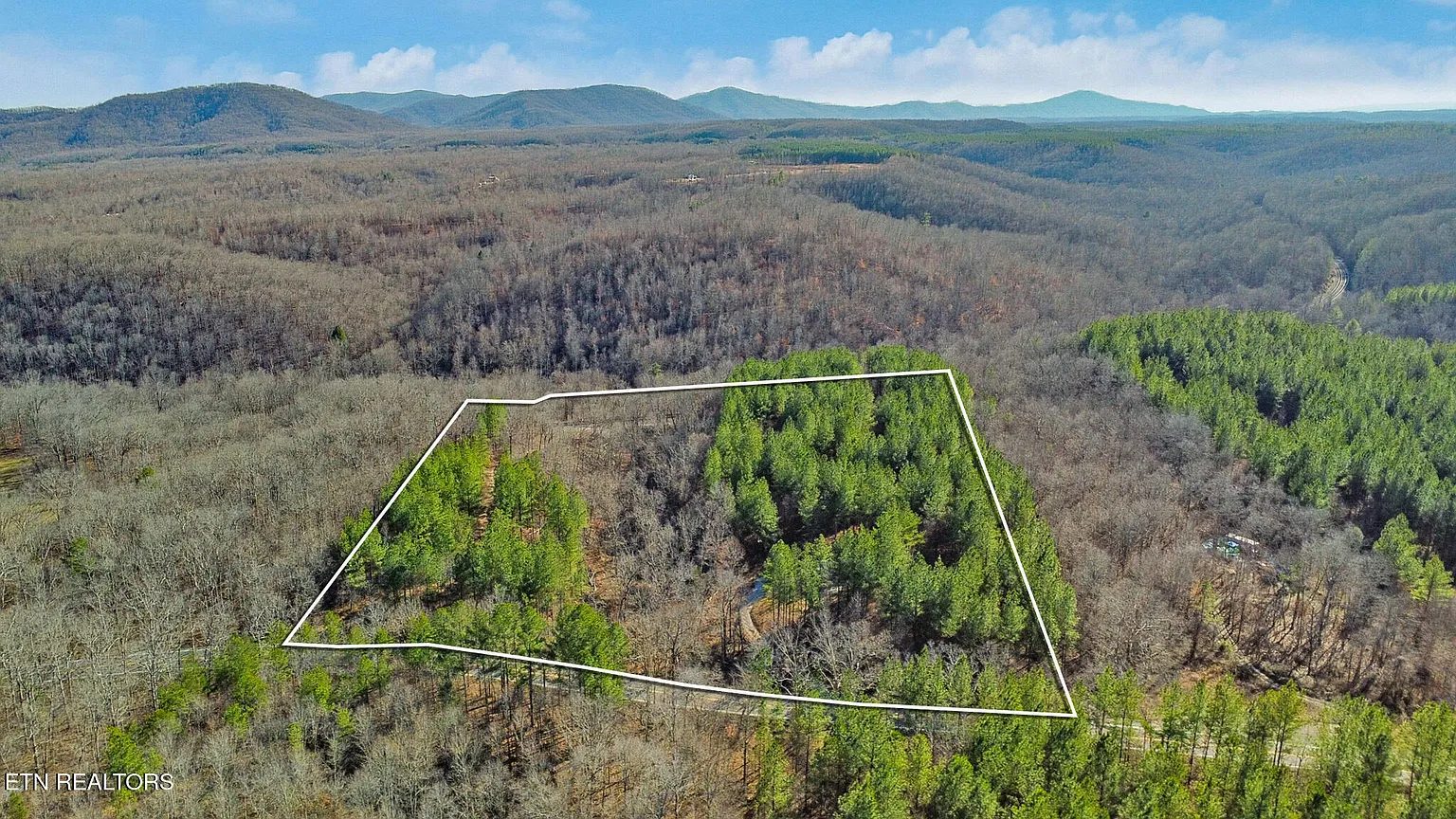 ACTIVE$100,0000 US 27Sunbright, TN 3787211.16± acListing agent: Deanna Rodriguez, eXp RealtyLISTED BY DEANNA RODRIGUEZView property →LISTED AUG 2026FOR SALE
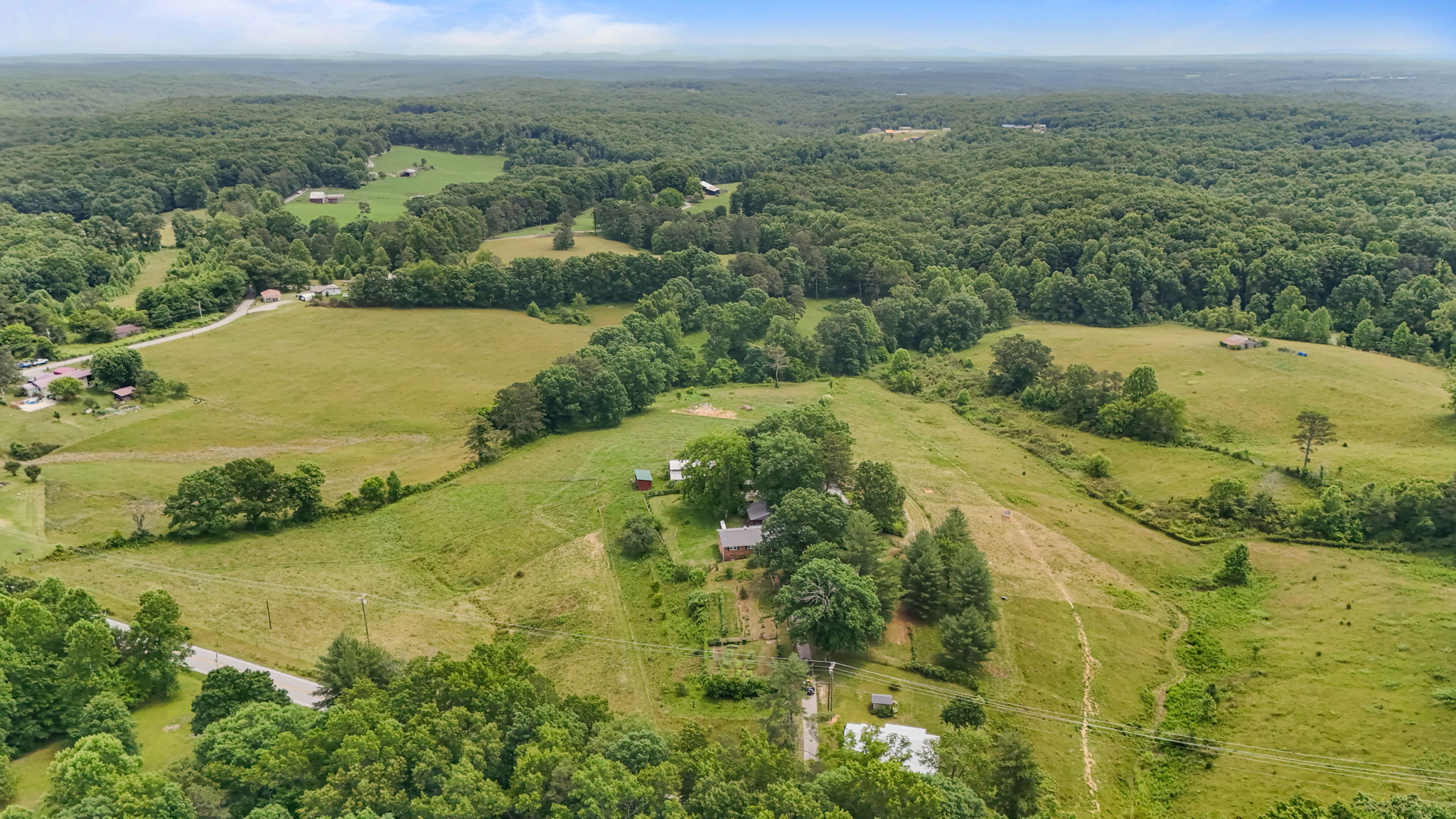 ACTIVE$749,900Pickett Park Farmstead2658 Pickett Park Hwy, Jamestown, TN 3855643± acres · 3 homes · 4-stall barnListing agent: Jason Galaz, eXp RealtyLISTED BY JASON GALAZView property →LISTED AUG 2026FOR SALE
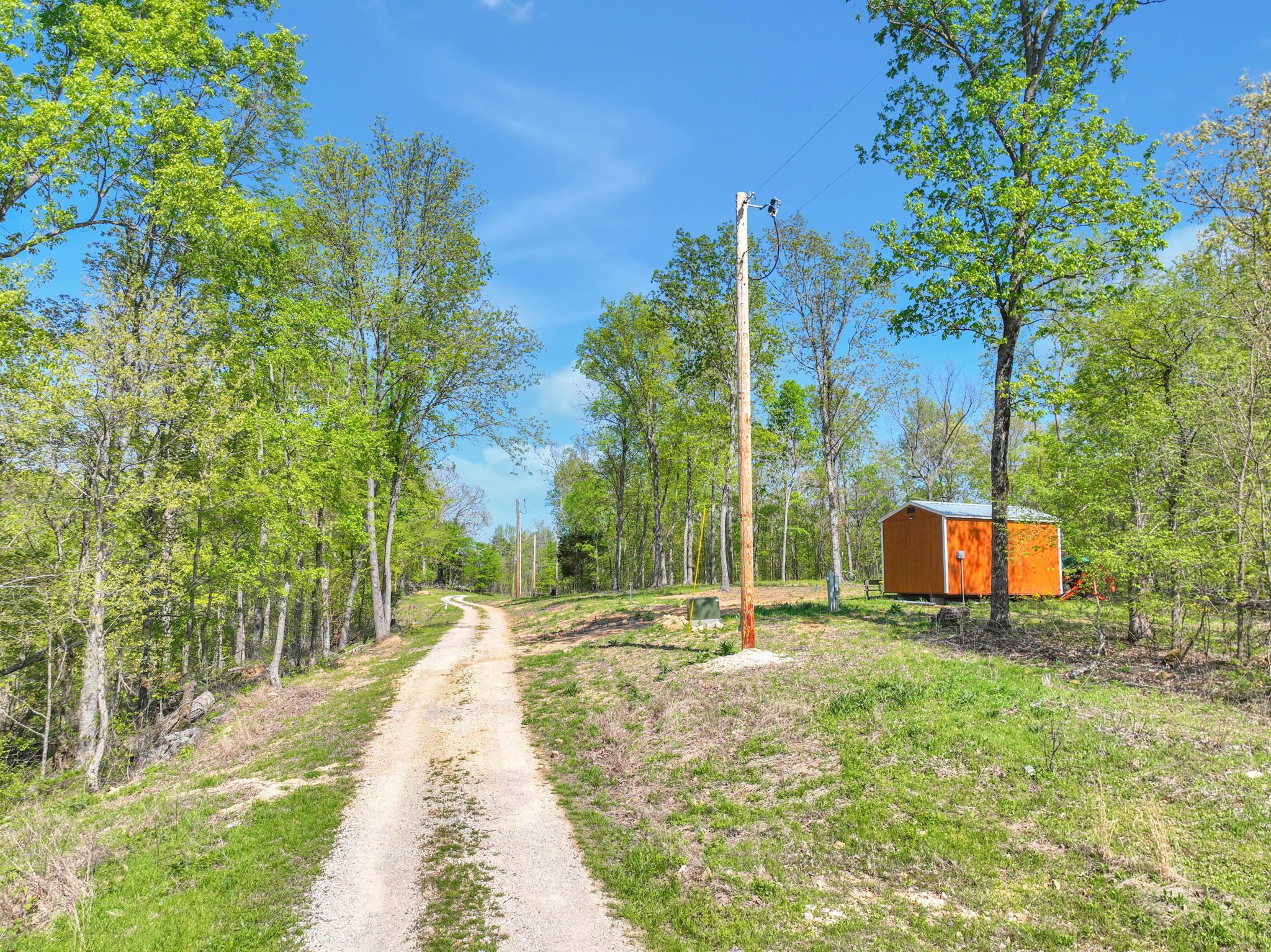 ACTIVE$249,9993202 Old Lego School RoadLinden, TN 3709626.4± acListing agent: Gabbie Mac, eXp RealtyLISTED BY GABBIE MACView property →LISTED NOV 2025FOR SALE
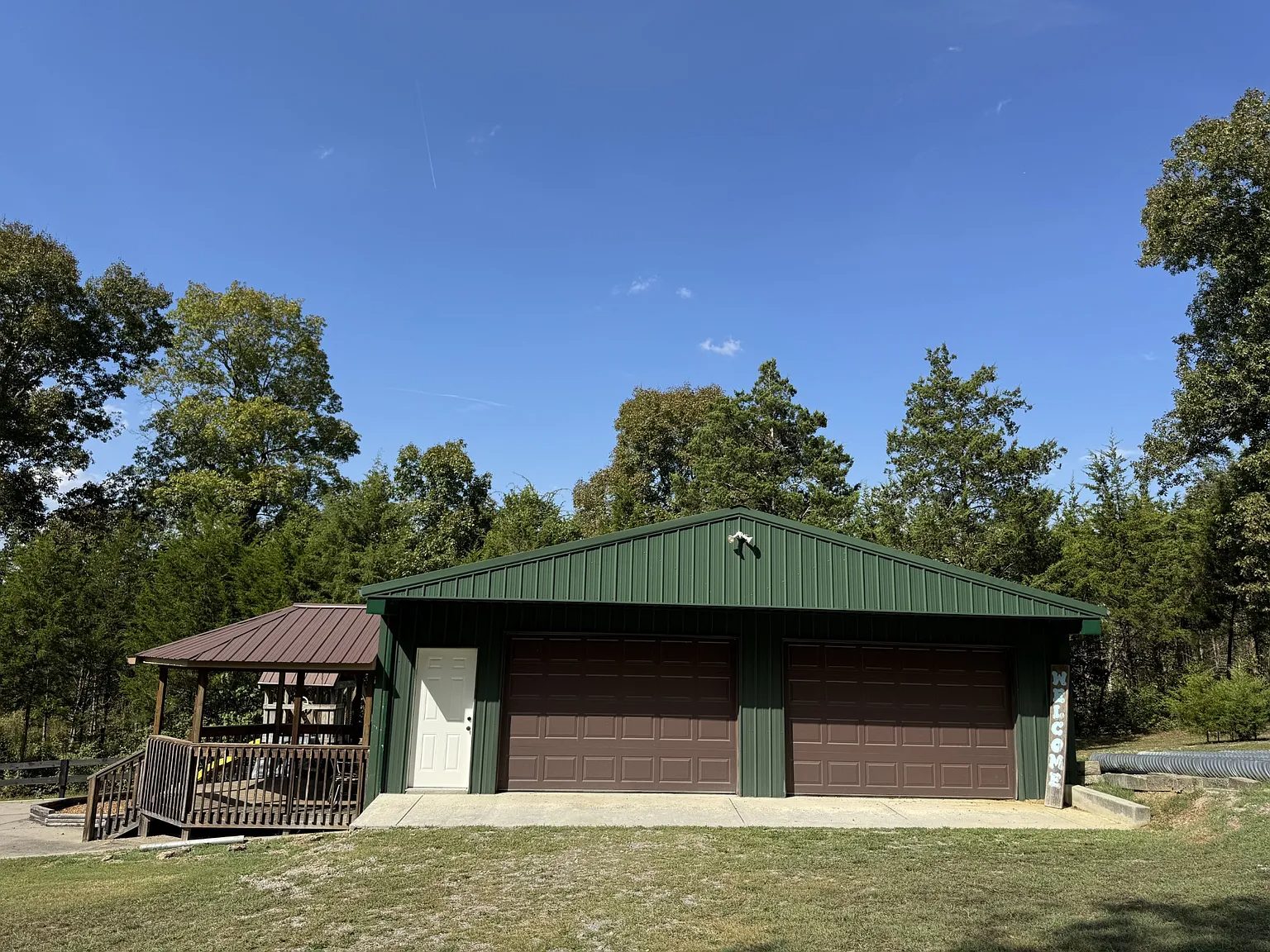 UNDER CONTRACT$425,000905 Chapel Hill PikeEagleville, TN 370606.87± acListing agent: Jason Galaz, eXp RealtyLISTED BY JASON GALAZView property →PENDING OCT 2026UNDER CONTRACT
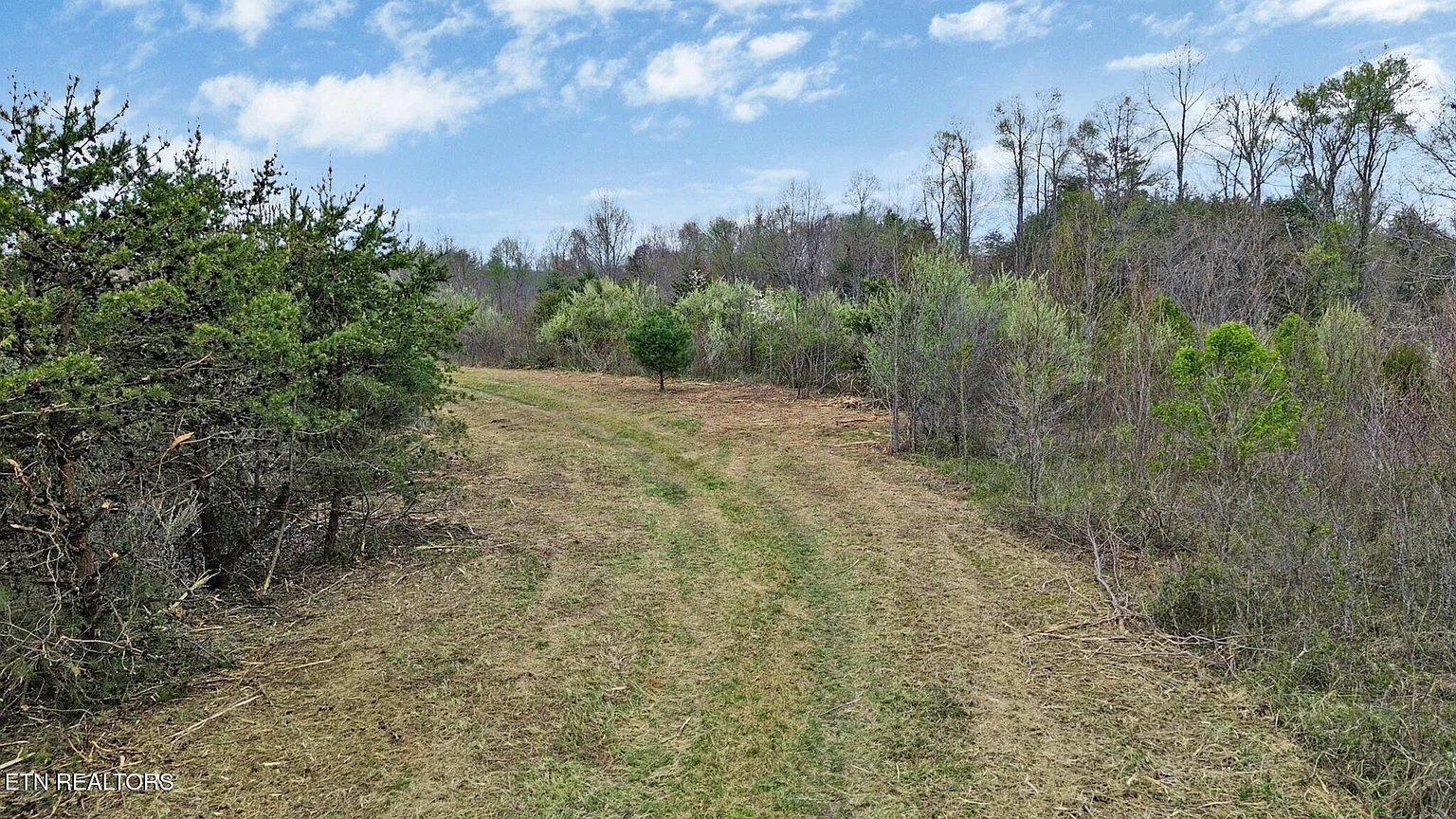 SOLDGrassy Knob Road0 Grassy Knob Rd, Robbins, TN 3785297.3± acListing agent: Deanna Rodriguez, eXp RealtySOLD BY DEANNA RODRIGUEZView property →SOLD MAY 2026SOLD
Questions people ask
If I buy land in Greenbelt, does it stay in Greenbelt?
What are rollback taxes, and who pays them?
Three years of tax savings (five for open space) when land leaves Greenbelt. The seller owes them unless the contract says otherwise or the buyer took them on by missing a promised filing [4].
Can I hunt my own land without a license?
What if a tract has no road access?
Tennessee has a court process for an access easement up to 25 feet wide, but confirm recorded access before you buy [11].
Do I need a county building permit for a barn?
Tennessee law keeps county zoning from requiring building permits for structures that serve a farm on agricultural land, with exceptions. City limits, floodplain and septic rules still apply, so confirm with county planning [25].
Can land under a conservation easement be sold?
Yes. The easement's limits stay with the land [23].
Tell us what the land has to do.
Information only, not legal, tax or forestry advice. Laws and programs change; confirm with the county assessor, TDEC, TWRA, USDA or a Tennessee attorney.
Sources
- https://law.justia.com/codes/tennessee/title-67/chapter-5/part-10/section-67-5-1004/ (opens in a new tab)
- https://law.justia.com/codes/tennessee/title-67/chapter-5/part-10/section-67-5-1005/ (opens in a new tab)
- https://law.justia.com/codes/tennessee/title-67/chapter-5/part-10/section-67-5-1006/ (opens in a new tab)
- https://law.justia.com/codes/tennessee/title-67/chapter-5/part-10/section-67-5-1008/ (opens in a new tab)
- https://law.justia.com/codes/tennessee/title-67/chapter-5/part-10/section-67-5-1003/ (opens in a new tab)
- https://www.tn.gov/environment/program-areas/wr-water-resources/water-quality/well-water.html (opens in a new tab)
- https://www.tn.gov/environment/permits/water/septic-systems-permits/ssp/ssds-faqs.html (opens in a new tab)
- https://www.tn.gov/environment/permits/water/septic-systems-permits.html (opens in a new tab)
- https://www.tn.gov/environment/permits/water/septic-systems-permits/ssp/wr-sds-contacts-by-region.html (opens in a new tab)
- https://sos.tn.gov/tsla/guides/early-north-carolina-tennessee-land-grants-at-the-tennessee-state-library-and-archives (opens in a new tab)
- https://law.justia.com/codes/tennessee/title-54/chapter-14/section-54-14-102/ (opens in a new tab)
- https://law.justia.com/codes/tennessee/title-65/chapter-31/section-65-31-106/ (opens in a new tab)
- https://law.justia.com/codes/tennessee/title-70/chapter-2/part-2/section-70-2-204/ (opens in a new tab)
- https://www.tn.gov/twra/license-sales.html (opens in a new tab)
- https://law.justia.com/codes/tennessee/title-70/chapter-7/part-1/section-70-7-102/ (opens in a new tab)
- https://law.justia.com/codes/tennessee/title-70/chapter-7/part-1/section-70-7-104/ (opens in a new tab)
- https://www.tn.gov/agriculture/forests/landowner-assistance/i-want-to/sell-or-manage-timber.html (opens in a new tab)
- https://www.tn.gov/agriculture/forests/faq.html (opens in a new tab)
- https://naturalresources.tennessee.edu/timber-sales/ (opens in a new tab)
- https://www.tn.gov/content/dam/tn/agriculture/documents/forestry/Forestry-BMP-Guide.pdf (opens in a new tab)
- https://dts.fsa.usda.gov/Assets/USDA-FSA-Public/usdafiles/State-Offices/Mississippi/newsletters/New-Folder-4/NL_0424_rel.pdf (opens in a new tab)
- https://www.fsa.usda.gov/sites/default/files/2026-01/FSA-Loan%20Beginning%20Farmers%20and%20Ranchers.pdf (opens in a new tab)
- https://www.landtrusttn.org/for-landowners/faqs/ (opens in a new tab)
- https://www.tn.gov/content/dam/tn/revenue/documents/forms/sales/f1308401.pdf (opens in a new tab)
- https://law.justia.com/codes/tennessee/title-13/chapter-7/part-1/section-13-7-114/ (opens in a new tab)